
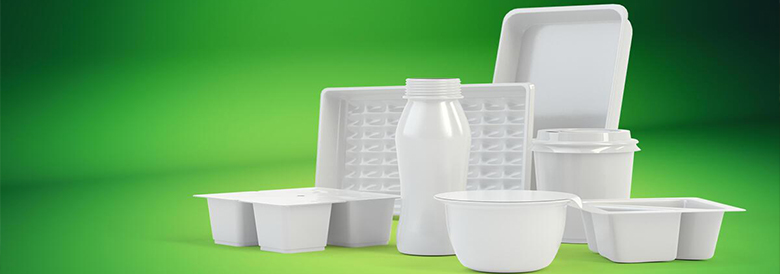
Welcome to the world of Styrenics, where innovation meets versatility. Styrenics encompass a family of polymers known for their unique properties and wide-ranging applications. At Americorp, we offer a comprehensive range of Styrenic products, including:
Why Choose Americorp’s Styrenic Solutions:
- Quality Assurance: We partner with reputable producers to ensure the quality and consistency of our Styrenic materials.
- Technical Expertise: Our team of experts can assist you in selecting the right Styrenic material for your specific application.
- Customization: Americorp offers tailored Styrenic solutions to meet your specific requirements, ensuring maximum performance and cost-effectiveness.
GPPS (General-Purpose Polystyrene):
GPPS, or General-Purpose Polystyrene, is celebrated for its remarkable transparency, providing a crystal-clear view that is hard to match. Here are some of its key attributes:
Transparency: GPPS is renowned for its exceptional clarity, making it the go-to choice for applications where a see-through finish is essential.
Strength: Despite its transparency, GPPS offers relatively good strength and weatherability, ensuring its performance in various environments.
Ease of Processing: GPPS flows easily during molding, making it an ideal choice for manufacturing products such as toys, CD-DVD cases, and plastic cups.
High Gloss Finish: Products made from GPPS boast a clear, high-gloss finish that enhances their aesthetic appeal.
HIPS (High Impact Polystyrene):
High Impact Polystyrene (HIPS) is a versatile and economical polymer known for its unique properties:
Opacity: HIPS consists of clear PS (Polystyrene) blended with rubber, giving it an opaque and white appearance. This opacity makes it suitable for a variety of applications.
Impact Resistance: HIPS is highly impact resistant, making it a preferred choice for products that need to withstand rough handling and impacts.
Dimensional Stability: It offers excellent dimensional stability, making it a top choice for semi-finished prototypes.
Ease of Transformation: HIPS is easy to transform, paint, and stick, making it a versatile material for various processing techniques.
ABS (Acrylonitrile Butadiene Styrene):
Acrylonitrile Butadiene Styrene (ABS) is an amorphous terpolymer known for its impressive attributes:
Strength: ABS offers good strength and impact properties, making it ideal for applications where durability is crucial.
Glossy Surface: It allows for processing into applications with glossy surfaces, making it suitable for automotive parts, toys, housing, and consumer goods.
Versatility: ABS’s versatility extends to a wide range of applications, including automotive components, toys, household goods, and consumer products.
MABS (Transparent ABS):
MABS, or Transparent ABS (M-ABS), is celebrated for its exceptional transparency, making it the ideal choice for applications where see-through properties are essential. Here are some of its key features:
Transparency: MABS provides excellent transparency while retaining good mechanical properties, making it highly suitable for electronic devices, frames, panels, and household items.
Mechanical Strength: It combines transparency with robust mechanical strength, ensuring durability in a variety of applications.
Versatility: MABS can be utilized in electronic casings, display screens, and consumer goods, thanks to its clear and aesthetically pleasing appearance.
Processing Simplicity: The processing and molding conditions for MABS are similar to standard ABS, simplifying manufacturing processes.
SAN (Styrene Acrylonitrile):
Styrene Acrylonitrile (SAN) is a polymer valued for its unique properties:
Thermal Resistance: SAN boasts higher thermal resistance compared to standard polystyrene, making it an excellent choice for applications that require durability at elevated temperatures.
Ductility: Although SAN has moderately low ductility compared to other thermoplastics, it offers a balance of strength and thermal resistance.
Common Polystyrene Substitute: SAN is commonly used as a substitute for polystyrene in applications where higher thermal resistance is needed.
Versatility: It finds applications in consumer goods, automotive components, and electronic housings due to its excellent thermal performance.
EPS (Expanded Polystyrene):
Expanded Polystyrene (EPS) is a rigid, lightweight, and thermoplastic product renowned for its exceptional properties:
Lightweight: EPS is known for its low density, making it ideal for lightweight packaging solutions.
Thermal Insulation: It offers excellent thermal insulation properties, making it a preferred choice in the construction industry for insulation panels and building materials.
Rigidity: EPS exhibits impressive rigidity and toughness, ensuring its durability even in demanding applications.
White and Pre-expanded: EPS is generally white and made of pre-expanded polystyrene beads, facilitating its use in a wide range of applications.
Packaging and Construction: EPS is commonly used in the packaging industry for protective packaging and in construction for its insulating properties.